
Ideas & placement
3 Masculine Tattoo Ideas: Find a Theme That Feels Like You
The most useful masculine tattoo ideas start with a visual language, not a list of subjects you are expected to like. A firm outline, a clear silhouette and a balanced amount of black can make an animal, flower or abstract mark feel grounded. Use these tattoo themes for men to choose a direction, then refine the scale and placement around your own story.
Designs to start from
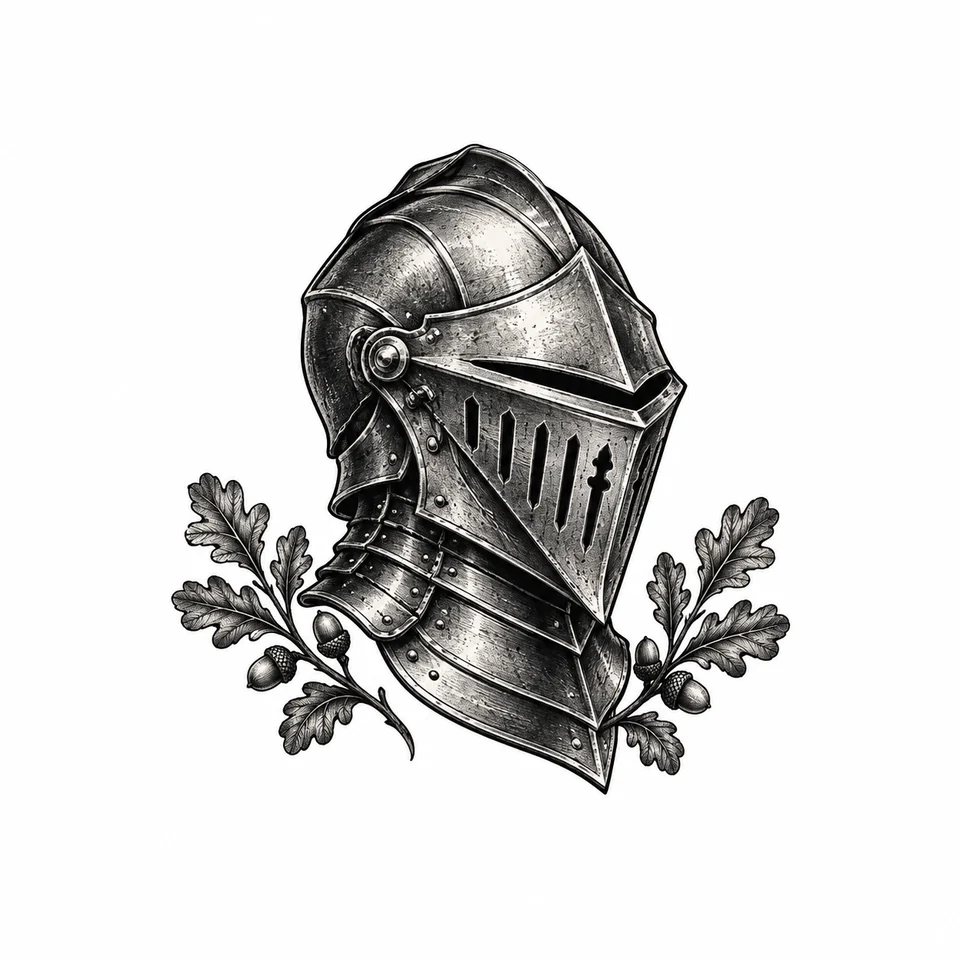
Knight and oak
Blackwork · Arm / Chest
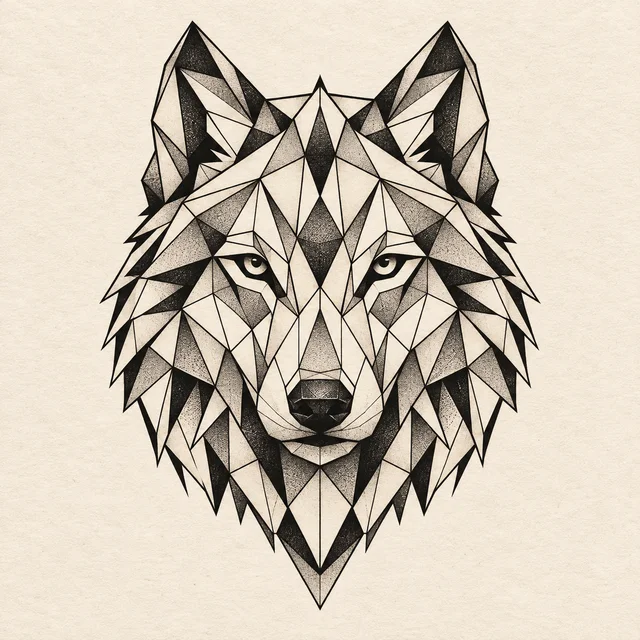
Wild geometry
Geometric · Chest / Arm
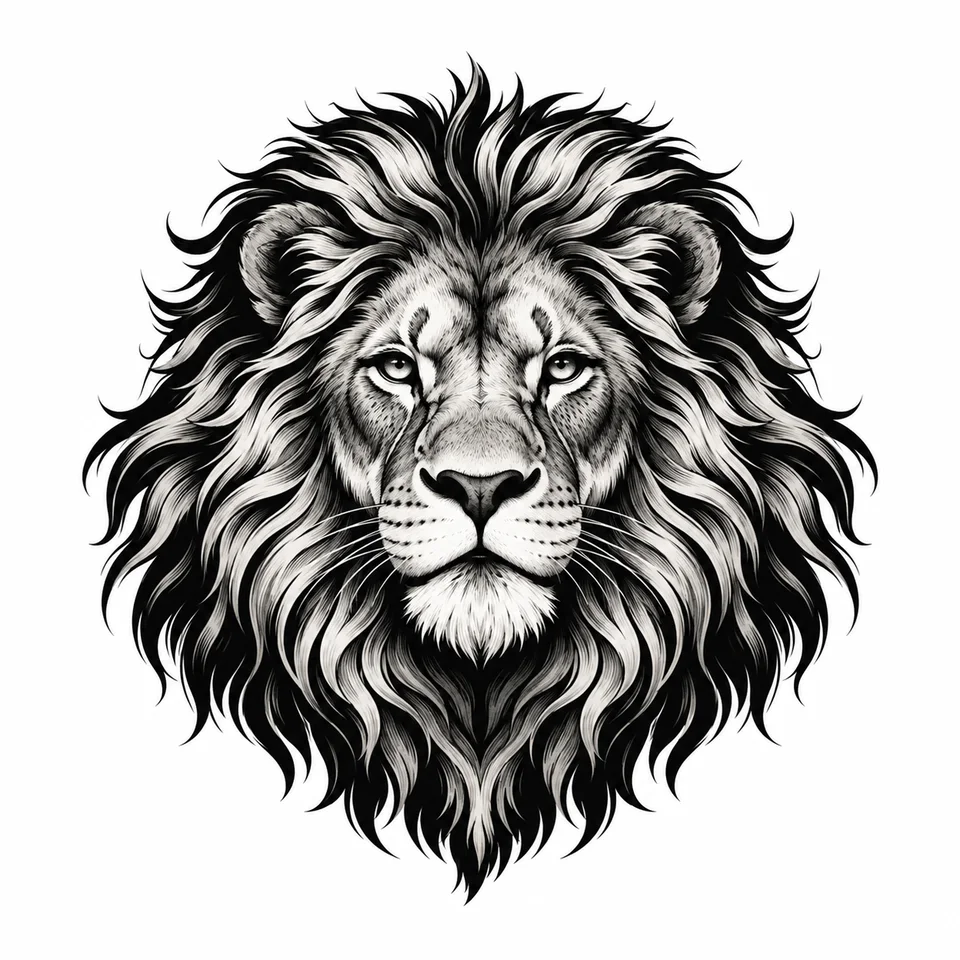
Bold lion portrait
Blackwork · Chest / Back
Original concept artwork. Placement tags are suggestions, not photographs of healed tattoos. Preview a design or adapt it in the generator.
What gives a design a strong visual presence?
Compare silhouette, line weight, contrast and spacing before judging the subject. A wolf built from clear shapes has a different presence from a soft, detailed portrait of the same animal. A botanical branch can feel restrained and direct when it has a decisive outline and generous empty space.
Masculine is a style preference, not a restriction on flowers, fine lines or color. Gather references that share one quality you want - calm, bold, rugged or precise - and tell the artist what connects them. That is more useful than requesting a design that is simply manly.
Tattoo themes for men: choose one story
Animals can represent a personal memory or a quality you admire. Landscape themes can connect to a home, trip or favorite place. Navigation motifs such as a compass or coordinates can express a specific journey. Botanical themes can refer to family, growth or a plant you know.
Choose one central subject and one supporting element. A wolf with a landscape can form a single story; adding a clock, compass, several names and a second animal may create competing focal points. Write the theme as a short sentence before combining references.
Match the amount of detail to the size
A small tattoo needs a focused shape and separated details. A medium piece can introduce some shading or a supporting motif. A large chest, back or thigh composition gives the artist room for a scene with hierarchy. The same reference should not simply be resized between these categories.
Ask which detail defines the subject. For an animal, it may be its pose or head shape rather than every strand of fur. For geometry, it may be the rhythm of open and dark areas. Start with that feature, then add detail only when the final dimensions allow it.
Choose placement by shape and visibility
Long subjects such as a snake or botanical stem suit an arm or leg direction. Broad animals, symmetrical wings or geometric panels may use the chest or back. A compact icon can sit deliberately on the upper arm without needing to fill the whole surface.
Your clothing and movement matter as much as the flat outline. Check a stencil while standing naturally and moving the area. Think about whether you want to see the tattoo every day, cover it easily or connect it to future work.
| Design shape | Placement starting point | Question to test |
|---|---|---|
| Compact emblem | Upper arm or small pec piece | Does it have enough space around it? |
| Long curve or stem | Forearm or thigh | Does it follow the body at rest? |
| Broad or symmetrical panel | Chest or upper back | Is the center balanced on your anatomy? |
Build a sleeve or collection with room to grow
A coherent collection can share line weight, contrast or a recurring motif without using identical subjects. Decide whether you want separated pieces with open space or a connected composition with backgrounds. Those choices change how the first tattoo should be positioned.
Show the artist existing work and describe likely additions. Leave useful routes around a compact tattoo if a sleeve is planned. Matching every piece perfectly is not essential, but planning the boundaries can prevent later designs from becoming awkward fillers.
Turn your idea into a practical design brief
Name the main subject, the reason you chose it, preferred style, proposed body area and approximate size. Add one thing you want to avoid, such as dense background shading or miniature lettering. A clear brief gives both the generator and the tattoo artist a more focused starting point.
Use the artwork here as concept inspiration. Preview a placement to compare proportions, then take the result to an artist for anatomy, line spacing and stencil adaptation. The final design should be prepared for tattooing rather than copied straight from an AI image.
Your next step: a clear design brief
- Choose one subject and say what it means to you.
- Compare the concept at its intended size.
- Preview a location and check everyday visibility.
- Let your artist adapt the anatomy, spacing and stencil.
Questions before your tattoo
What are some masculine tattoo ideas?
Start with a wolf, lion, snake, mountain, compass, bold botanical design or geometric symbol. Strong silhouette, contrast and placement can matter more than the subject. Choose a motif you actually enjoy rather than one selected only because it is labeled masculine.
Can floral tattoos look masculine?
Yes. A rose, peony or branch can have a bold graphic presence through line weight, shape and dark-to-open balance. Floral subjects do not belong to one gender. Compare a fine-line version and a bolder botanical version to find your preferred look.
How do I choose a tattoo theme?
Write one sentence about the memory, quality or visual mood you want. Choose one central subject and at most a small number of supporting elements. Use scale and placement to decide which parts of that story fit in the final design.
Where should I place a bold tattoo?
Match the shape to the body: a long motif can follow a forearm or thigh, and a broad composition can use the chest or back. Visibility, coverage, existing tattoos and future expansion should guide the exact placement.
Can a small tattoo still look bold?
Yes. A clear outline, a simple silhouette and a deliberate dark accent can make a small tattoo read strongly. Remove secondary details before reducing the size; bold does not require filling a large area.
Should all my tattoos use the same style?
They can, but they do not have to. Shared line weight, spacing or contrast can connect different subjects. If you want a continuous sleeve or panel, discuss the whole layout with the artist before placing the first piece.
Keep exploring
Small Tattoo Ideas for Men: Minimalist, Meaningful and Simple
Explore small tattoo ideas for men by style and placement, with tiny vs small designs, meaningful symbols, size and cost guidance, and placement previews.
Explore the guide
Chest Tattoo Ideas for Men: Bold and Built for Your Frame
Explore chest tattoos for men, from upper-pec and sternum designs to half and full panels, with style, size, pain and budget planning plus placement previews.
Explore the guide
Gothic Tattoos: Dark Imagery with a Clear Design
Explore gothic tattoos with ravens, moths, daggers, botanical forms and architectural shapes, plus blackwork, lettering and placement guidance.
Explore the guide
Tattoo Meanings: Turn a Symbol into Your Own Story
Explore tattoo symbols and meanings through personal context, flowers, animals, faith, words and dates, then build a meaningful design brief.
Explore the guide