
Ideas & placement
3 Thigh Tattoo Ideas for Men: Give the Design Room to Move
The thigh gives a tattoo room for an animal, botanical composition or bold geometric shape while allowing different levels of coverage. Thigh tattoos for men work best when their direction is chosen for the body rather than copied from a flat rectangle. Compare front, outer and inner layouts, then decide how the design should look standing, sitting and moving.
Designs to start from
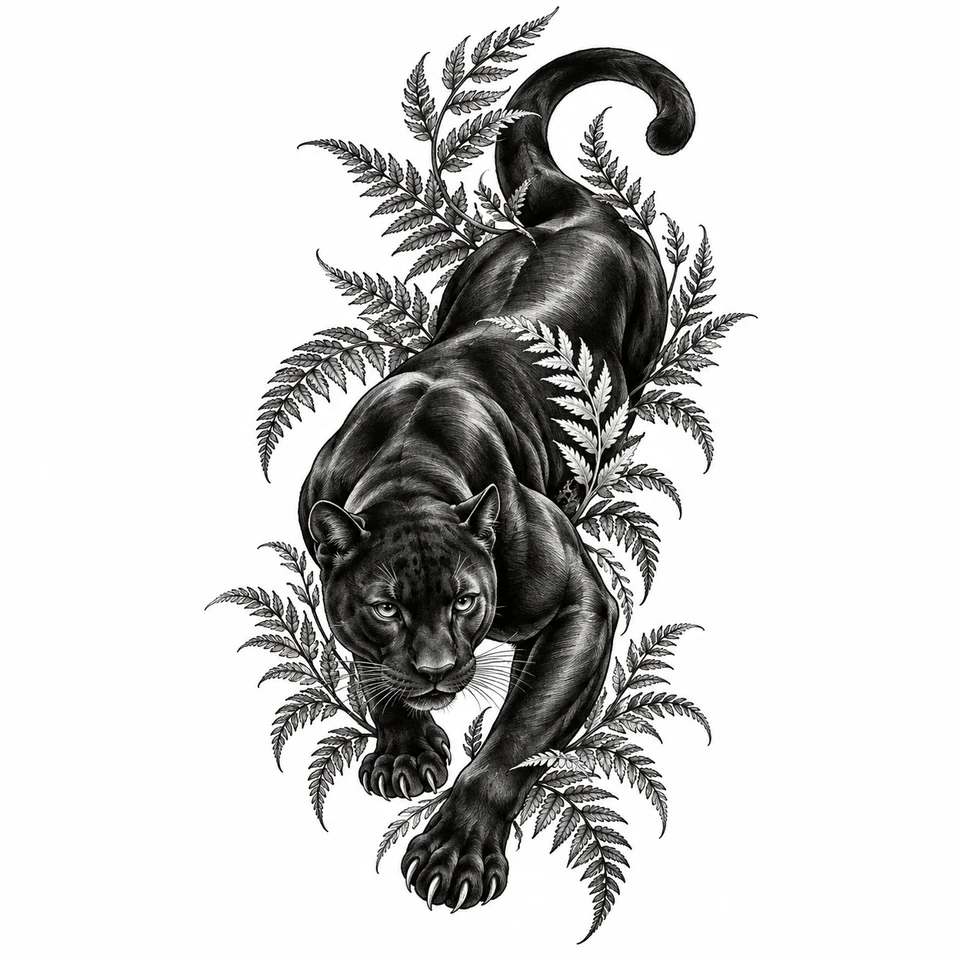
Fern panther
Blackwork · Thigh
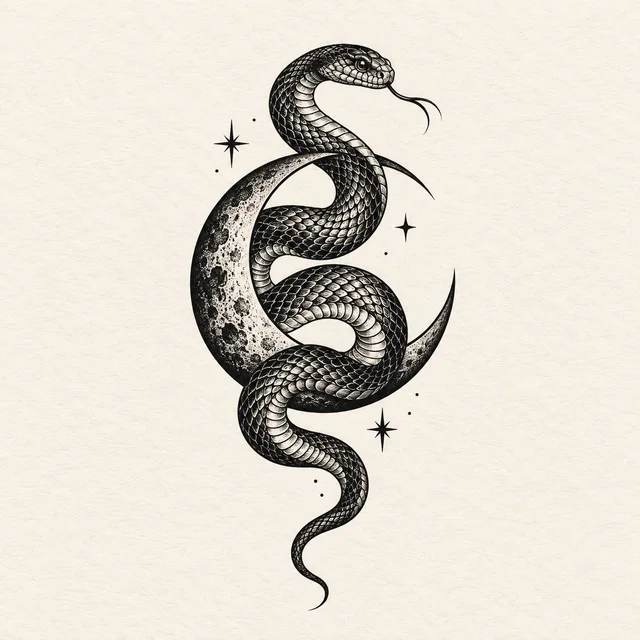
Moon keeper
Blackwork · Forearm / Arm
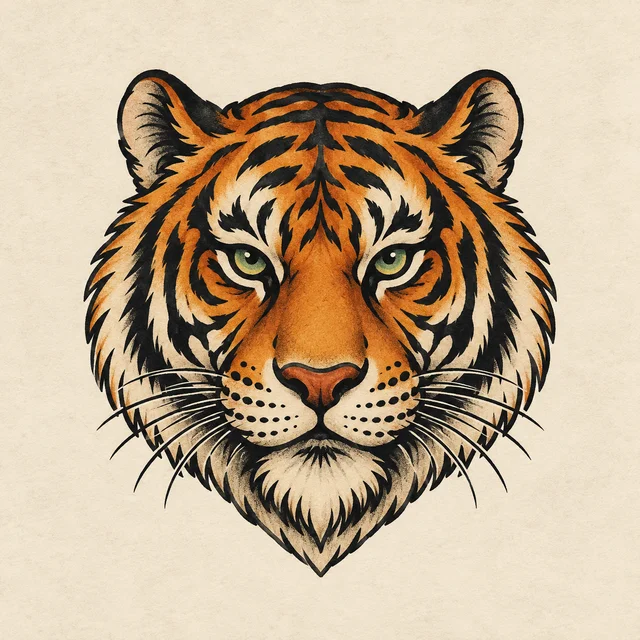
Golden tiger
Traditional · Thigh / Chest
Original concept artwork. Placement tags are suggestions, not photographs of healed tattoos. Preview a design or adapt it in the generator.
Front, outer or inner thigh?
The front thigh gives a broad area for a centered subject, while the outer thigh can carry a longer shape along the leg. The inner thigh changes visibility and how the composition meets clothing. These are distinct layout decisions, even when the same subject is used.
Check the proposed position standing naturally and sitting. A design may rotate out of view on the side or change shape with the bend of the leg. Discuss the exact borders and movement with your artist rather than choosing only from a front-facing preview.
| Area | Useful starting shape | Placement question |
|---|---|---|
| Front thigh | Broad animal head or panel | Does it sit upright when standing? |
| Outer thigh | Long snake, stem or vertical motif | How much wraps beyond the main view? |
| Inner thigh | Contained composition with clear edges | How do clothing and movement affect the spot? |
Give the thigh one clear focal point
A tiger, wolf or crane can use a broad silhouette. A snake or flower stem can follow a longer direction. Decide which feature should be recognized first, then build the remaining shapes around it. The thigh has space, but filling every part can make the design harder to read.
Use open margins near the edges and avoid placing the smallest detail where the surface curves away. Compare a compact isolated version with a larger panel so the extra size adds useful information rather than simply enlarging the background.
Choose a style for the subject and scale
Blackwork can emphasize a strong animal or geometric shape. Traditional-inspired work can use decisive outlines and a limited number of large motifs. Botanical and fine-line concepts can follow the leg with more open spacing. Choose the technique that supports the subject you want.
A detailed style still needs clear line separation at the finished size. Ask to see healed thigh pieces or comparable work from the artist. A highly detailed concept image may need a simpler outline and larger focal features to become a practical tattoo.
Plan size before estimating cost
Use your actual available area rather than assuming a thigh tattoo must be large. A compact emblem can remain isolated, while a broad animal or floral scene may need additional width. Mark the intended outline and view it in a mirror from a normal distance.
Size, custom drawing, shading, color and session time affect the quote. Ask the artist for recommended dimensions and the number of sessions they expect. There is no universal price or appointment length for a tattoo labeled thigh.
Check shorts, sportswear and everyday coverage
Shorts length can change whether the whole design, just an edge or none of it is visible. Try your usual clothing when comparing placement. If you want the piece shown deliberately, place the visible part so it looks complete rather than accidentally cropped.
Think about the first period after tattooing as part of appointment planning. Ask the artist how clothing, activity and their aftercare instructions affect your schedule. Do not infer healing readiness from a placement image or a fixed online timeline.
Prepare the thigh tattoo consultation
Bring a clear subject, two or three style references and an approximate outline of the body area. Tell the artist whether you want future work near the knee, hip or other side of the leg. The borders of this piece can leave useful room for those choices.
Before tattooing, check the stencil in the positions you use every day. Review orientation, edge placement and the relative size of any face, text or symbol. The concept is a way to start that discussion, not a finished stencil.
Your next step: a clear design brief
- Choose one subject and say what it means to you.
- Compare the concept at its intended size.
- Preview a location and check everyday visibility.
- Let your artist adapt the anatomy, spacing and stencil.
Questions before your tattoo
What are good thigh tattoos for men?
A tiger, wolf, snake, crane, botanical stem or geometric panel can suit the thigh. Broad motifs work on the front and longer motifs can follow the outer leg. Choose one focal subject and adapt it to the exact placement.
Where should a thigh tattoo face?
Check the orientation while standing naturally. A front piece is often judged from the main upright view, while an outer piece also needs to be checked from the side. Your preference and anatomy should guide the stencil direction.
Does a thigh tattoo have to be large?
No. A compact motif can work when it has deliberate space around it. A larger size is helpful only when it gives the subject enough room for the details you want.
Do thigh tattoos hurt?
Tattooing can be uncomfortable and sensitivity varies by person and exact location. The front, outer and inner thigh may feel different. Discuss the regions, technique and planned session length with your artist rather than relying on a fixed pain rating.
How much does a thigh tattoo cost?
Cost depends on the studio minimum, artist, location, size, drawing, detail, color and sessions. Compare the final dimensions and scope in a written quote; a thigh placement alone does not determine the price.
Can I extend a thigh tattoo later?
Yes, but tell the artist before placing the first piece. Leaving clear borders and a possible connecting direction can make future work toward the hip, knee or other side of the thigh easier to plan.
Keep exploring
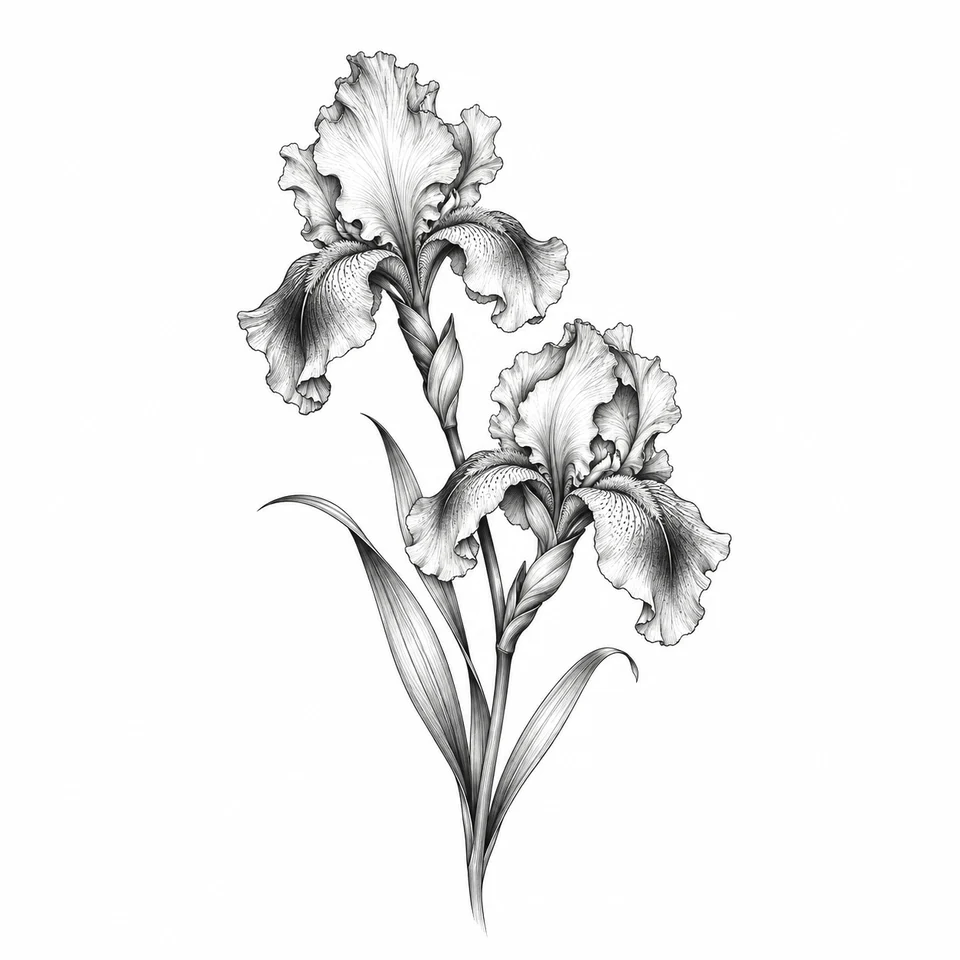
Floral Tattoo Ideas for Men: Shape, Contrast and Personal Meaning
Explore floral tattoos for men with roses, peonies and olive branches, from fine-line stems to bold botanical designs, plus placement and meaning ideas.
Explore the guide
Masculine Tattoo Ideas: Find a Theme That Feels Like You
Explore masculine tattoo ideas and tattoo themes for men, from bold animals and geometry to botanical designs, with practical scale and placement planning.
Explore the guide
Back Tattoo Ideas for Men: Plan the Whole Composition
Explore back tattoos for men, from upper-back symbols to full-back panels, with symmetry, scale, movement and session planning guidance.
Explore the guide