
Ideas & placement
3 Back Tattoo Ideas for Men: Plan the Whole Composition
Back tattoos for men can be an isolated upper-back motif, a vertical design or a broad panel that develops over several sessions. The available space makes composition the central decision: choose a focal point, leave deliberate margins and consider how the design follows your shoulders and spine. Plan the whole outline before deciding how much to complete first.
Designs to start from
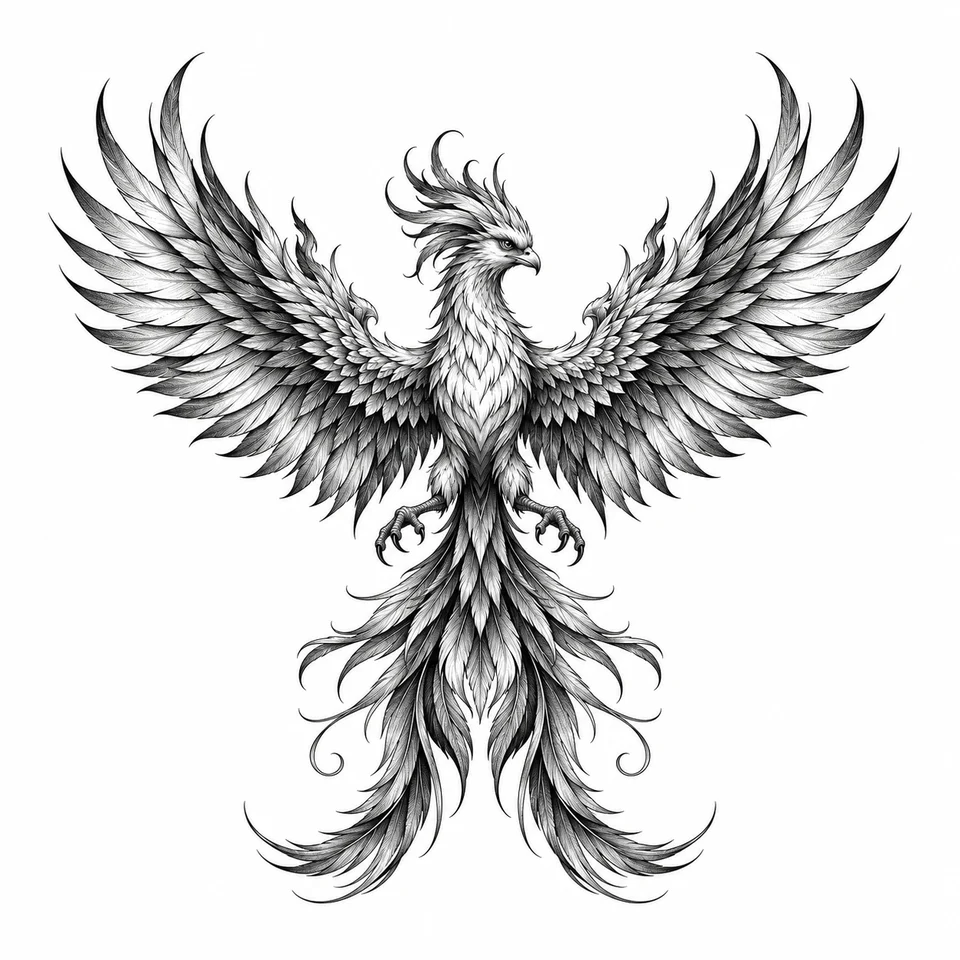
Rising phoenix
Blackwork · Back
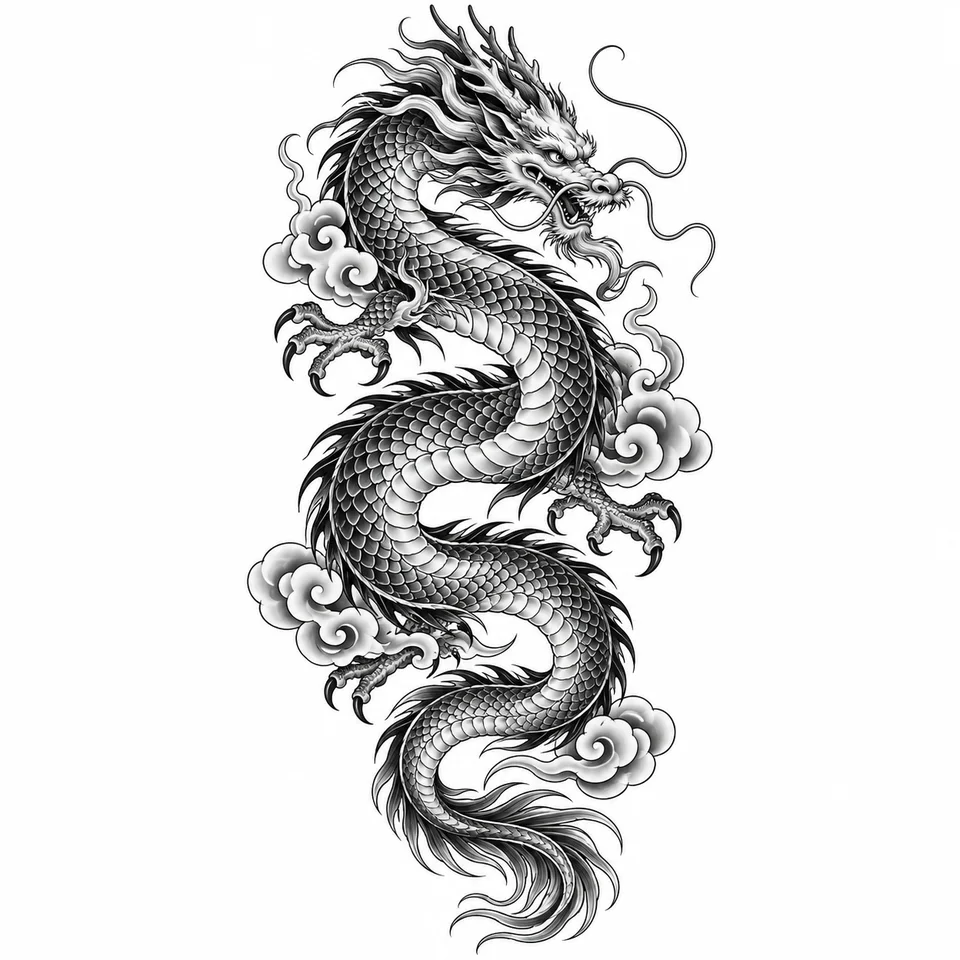
Curving dragon
Japanese · Thigh / Back
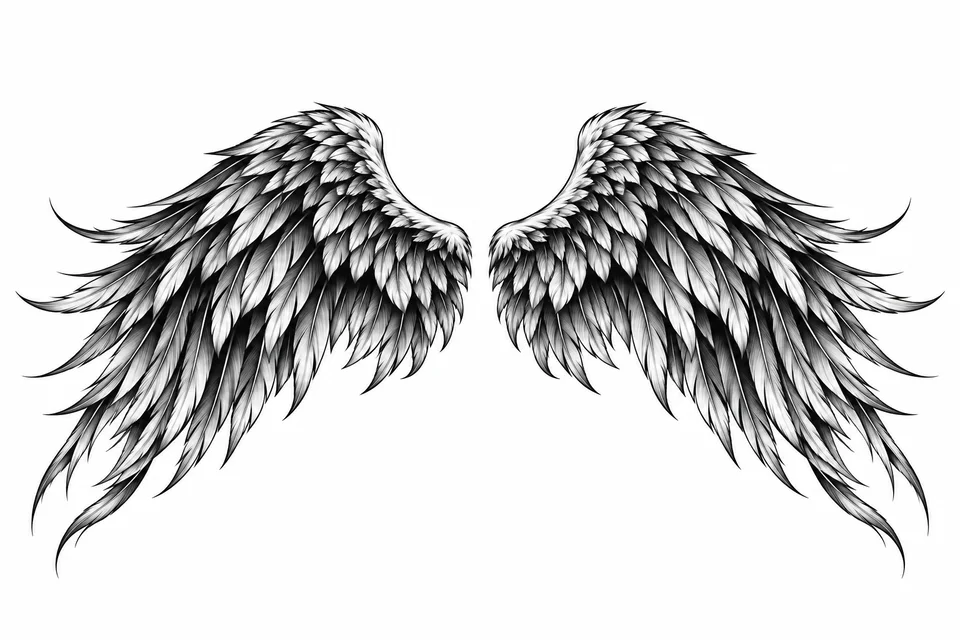
Open wings
Blackwork · Back / Chest
Original concept artwork. Placement tags are suggestions, not photographs of healed tattoos. Preview a design or adapt it in the generator.
Upper back, spine or full back?
An upper-back piece can center between the shoulder blades or sit deliberately on one side. A vertical concept follows the spine direction and benefits from a clear axis. A full-back panel links the upper area with a wider lower composition. Each layout needs its own margins.
Do not begin by enlarging a small reference to fill the back. Choose where the subject should draw the eye and what supports it. A single motif with generous open space can be as intentional as a dense panel.
| Layout | Useful design direction | Main planning question |
|---|---|---|
| Upper back | Wide wings, emblem or contained animal | How does it balance between the shoulders? |
| Vertical back | Branch, serpent or narrow symbol | Does it align with your natural posture? |
| One-sided piece | Asymmetric animal or botanical form | Are the surrounding margins deliberate? |
| Full back | Linked scene or broad ornamental panel | Where is the focal point and how does the background support it? |
Choose scale around the focal subject
A full-back concept can hold a broad animal, dragon or botanical scene, but the largest possible size is not always the best. Make the face, head or central symbol readable before adding texture and background. Smaller details should support the main shape.
A compact upper-back design needs its own intentional border. Tell the artist if you might expand it later. Enlarging a finished isolated tattoo into a full panel can be more difficult than planning that possibility from the start.
Check posture, symmetry and shoulder movement
The back moves with the shoulders and posture. Exact symmetry in a drawing may look different on your body, so judge balance on the stencil while standing naturally. For wings or repeated ornamental forms, compare the edges with your arms relaxed and gently raised.
Ask for mirror views or a placement photograph at the actual size. You do not usually see your back directly, and a cropped close-up can hide how the piece sits within the whole area. A 3D mannequin preview offers general context, not your individual anatomy.
Choose a back tattoo style with clear hierarchy
Blackwork can connect the back through dark shapes and open channels. Japanese-inspired concepts can use a large moving subject and supporting background. Botanical designs can follow the spine or spread across a shoulder. Geometric work depends on clear spacing and body-specific alignment.
Ask an artist experienced in the chosen style to adapt the concept. Large designs are not only many small details joined together; they need a consistent rhythm, a clear main view and a plan for where dark and light areas meet.
Plan sessions and a realistic budget
A broad back composition may involve separate sessions for outlining, dark areas, shading or color. The artist determines the sequence for their technique and the specific piece. Confirm whether the estimate covers the complete panel or only the next stage.
Cost depends on artist, location, custom drawing, coverage, complexity and time. Ask for the intended dimensions, estimated sessions and payment terms. Discuss clothing, activity and aftercare scheduling with the studio rather than relying on a universal healing timetable.
Bring a complete back tattoo brief
Describe the main subject, emotional or personal context, preferred style, approximate borders and whether future chest, shoulder or arm work should connect. Choose a small number of references and name the compositional qualities you want.
Preview the overall layout, then let the artist rebuild the linework and anatomy for your back. Before proceeding, check the stencil as a whole and verify any text, dates or symbolic details. The concept image should support the conversation rather than replace the artist's planning.
Your next step: a clear design brief
- Choose one subject and say what it means to you.
- Compare the concept at its intended size.
- Preview a location and check everyday visibility.
- Let your artist adapt the anatomy, spacing and stencil.
Questions before your tattoo
What are good back tattoos for men?
Wings, a dragon, a clear animal focal point, botanical stems, an ornamental panel or a geometric composition can use the back effectively. Choose the subject and main shape first, then adapt the scale and supporting elements to the layout.
Should I choose an upper-back or full-back tattoo?
Choose an upper-back piece for a contained subject with intentional open space. Choose a full panel when you want a larger linked composition. If expansion is possible, plan the whole boundary with the artist even if the first session is smaller.
Do back tattoos need to be symmetrical?
No. Centered designs can benefit from visual balance, while one-sided animals or botanical pieces can be deliberately asymmetric. Check the stencil on your body; mathematical symmetry in a flat drawing is not the same as visual balance in posture.
How many sessions does a full-back tattoo take?
There is no universal number. Size, coverage, style, detail, color, the artist's workflow and session length determine the plan. Ask for an estimate covering the full piece and clarify which stage each session includes.
How much does a back tattoo cost?
The quote depends on artist, location, custom drawing, dimensions, shading, color and total time. A full-back piece needs a scoped estimate rather than a generic placement price. Confirm the borders, planned stages and what the quoted amount covers.
Can I connect a back tattoo to other pieces?
Yes. Tell the artist which shoulder, arm, chest or side pieces may connect later. Open channels, background direction and the panel borders can be planned to support those future choices.
Keep exploring
Chest Tattoo Ideas for Men: Bold and Built for Your Frame
Explore chest tattoos for men, from upper-pec and sternum designs to half and full panels, with style, size, pain and budget planning plus placement previews.
Explore the guide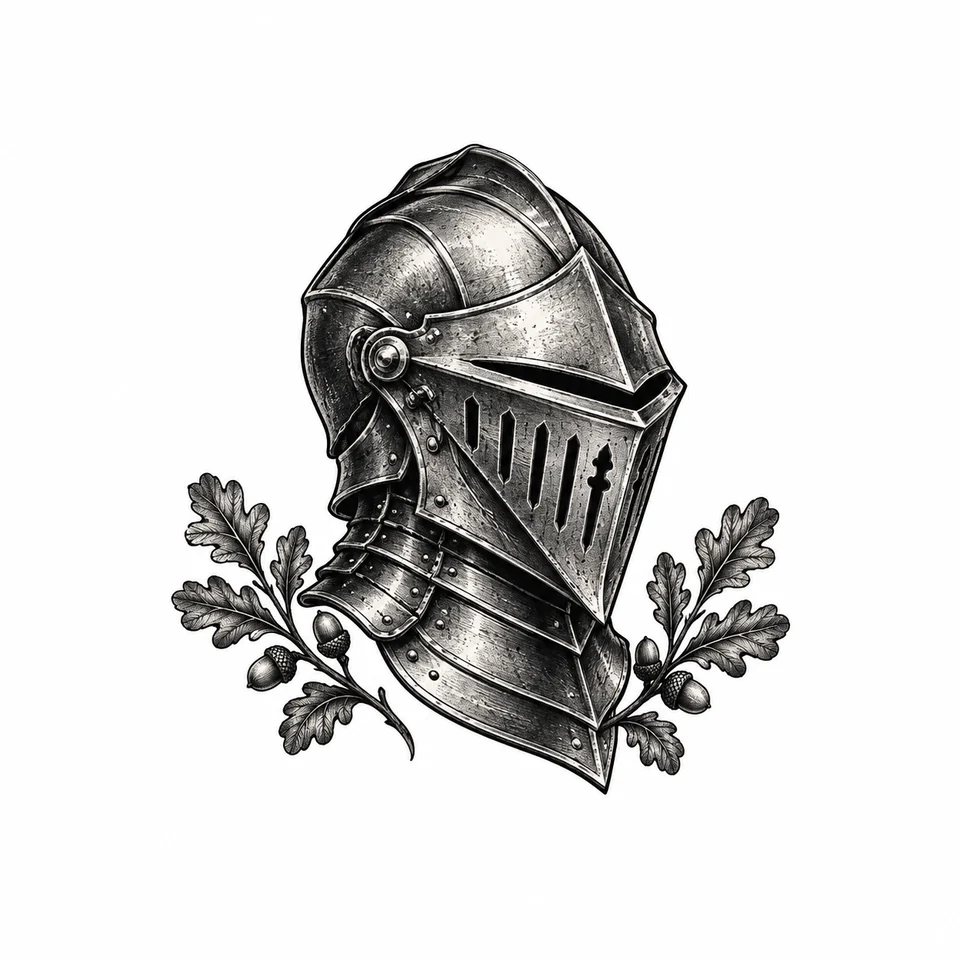
Masculine Tattoo Ideas: Find a Theme That Feels Like You
Explore masculine tattoo ideas and tattoo themes for men, from bold animals and geometry to botanical designs, with practical scale and placement planning.
Explore the guide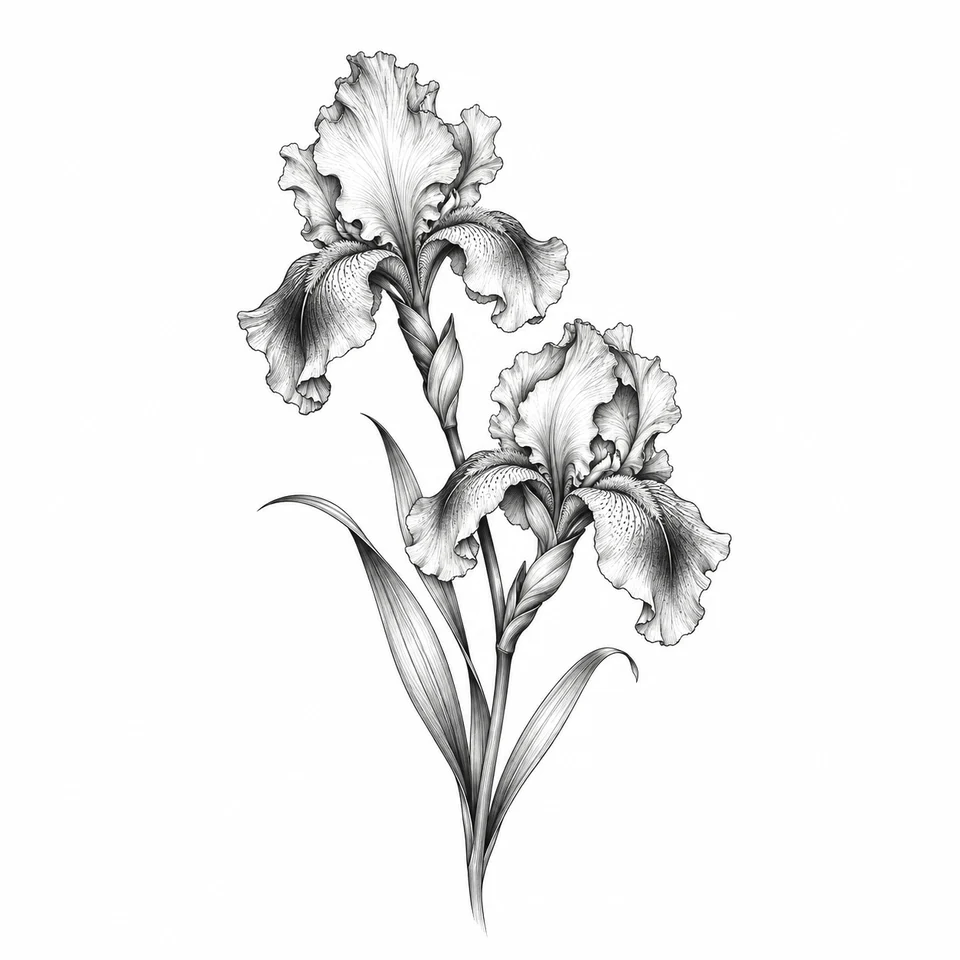
Floral Tattoo Ideas for Men: Shape, Contrast and Personal Meaning
Explore floral tattoos for men with roses, peonies and olive branches, from fine-line stems to bold botanical designs, plus placement and meaning ideas.
Explore the guide